
Start with the application, not the product name
A motor is one part of a movement system. The correct choice depends on what needs to move, how it moves, the load it carries, how frequently it operates, and how the project will control it. Starting with a product name can hide the variables that actually determine performance.
1. Define the movement
Begin with the physical behaviour of the application. A wave curtain moves along a rail. A roller blind rotates around a tube. A skylight system works overhead and may introduce different geometry and load conditions. A stage or large curtain can demand a different operating profile again. These are not interchangeable movement problems.
2. Confirm the load and scale
Load is not only the visible fabric or panel. The movement path, friction, rail geometry, system length and installation condition all affect the demand on the motor. NERVEN’s current motor range includes different platforms for curtain, skylight, stage and tubular applications, with different documented capacity ranges. Those figures should be treated as selection inputs, not as a substitute for project validation.
3. Decide how the system should feel
Speed, soft start or stop, one-speed or two-speed operation and movement behaviour all affect the user experience. A hospitality space may prioritize quiet, controlled motion. A large project may care more about repeatability and coordinated operation across many openings.
4. Design the control layer at the same time
Do not select the motor first and ask about control later. The motor, receiver, controller and project interface should be considered together. The required control may be a simple remote, grouped zones, multi-channel operation, app control or integration with a wider automation architecture such as RS485, KNX or BMS.
5. Match the mechanical path
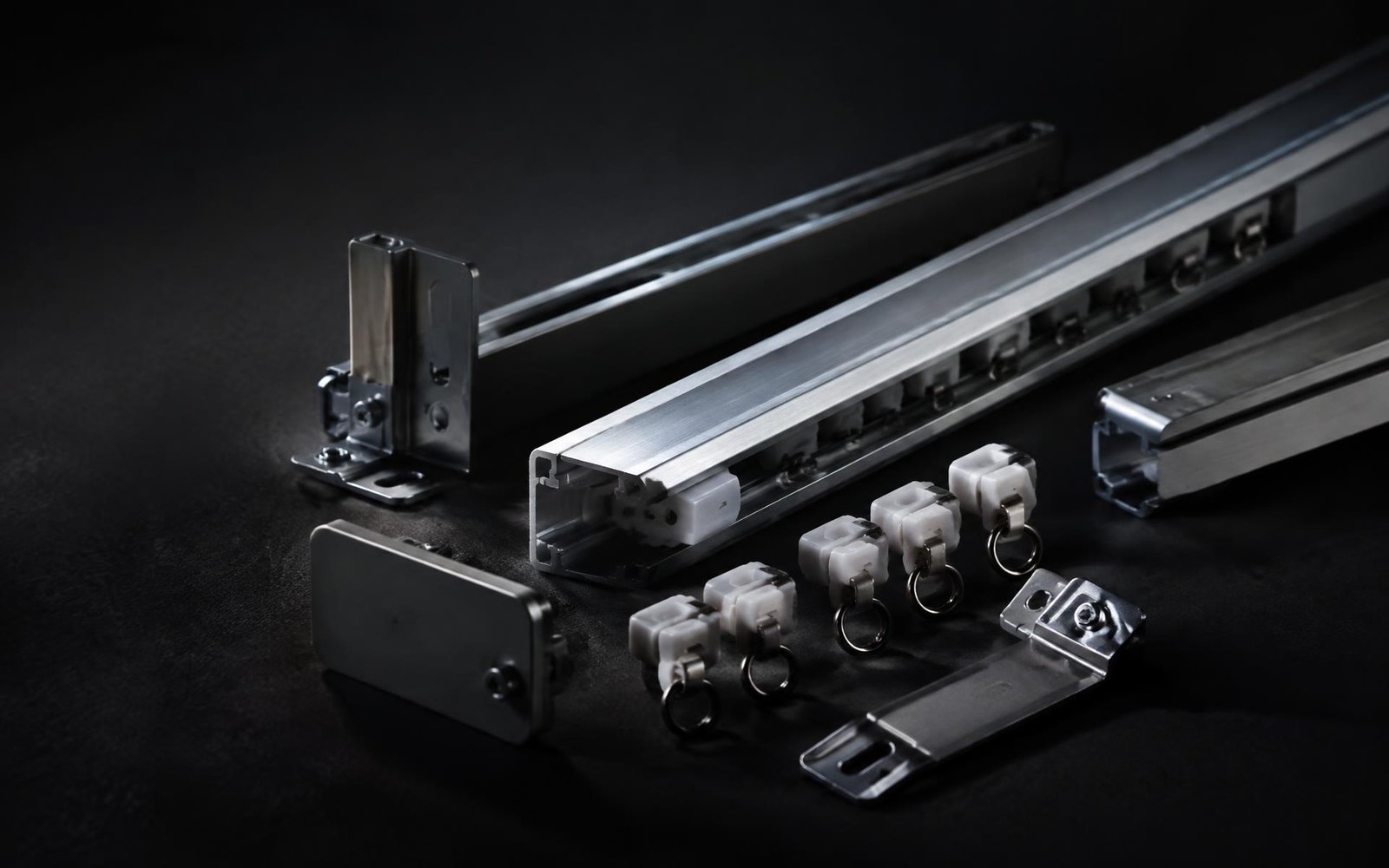
The rail, tube or drive path is part of the machine. Rail load limits, bending capability, bracket spacing and geometry influence movement quality. A powerful motor cannot compensate for a mechanical path that is incorrectly selected or installed.
6. Check the installation environment
Power availability, wiring, access for maintenance, mounting space and environmental conditions should be reviewed before final specification. Overhead systems, concealed installations and long runs deserve particular attention because access becomes harder after finishes are complete.
A practical selection checklist
- What exactly is moving?
- What is the expected load and travel distance?
- How often will the system operate?
- Is one speed enough, or is controlled speed behaviour required?
- What rail, tube or mechanical path will the motor drive?
- How will the system be controlled locally and centrally?
- Does the project require integration with automation or BMS?
- How will the system be accessed for service?
The best motor is not necessarily the largest one. It is the motor that fits the movement, control and mechanical architecture of the project as one complete system.