
Control becomes an architecture when the project grows
Controlling one motor is simple. Controlling dozens of motors across rooms, façades, floors or zones is a different problem. At that scale, the project needs a control architecture: a clear relationship between motors, receivers, controllers, communication protocols and higher-level building systems.
Channel, group and zone are not the same thing
A channel is usually an address or control position. A group is a set of devices that respond together. A zone is a project concept: for example, a meeting room, a hotel suite, a façade orientation or an entire floor. Good control design maps technical channels to project zones in a way that remains understandable for users and maintainable for the technical team.
The basic control layers
- Motor: produces the physical movement.
- Receiver or motor interface: accepts the command and translates it to the motor.
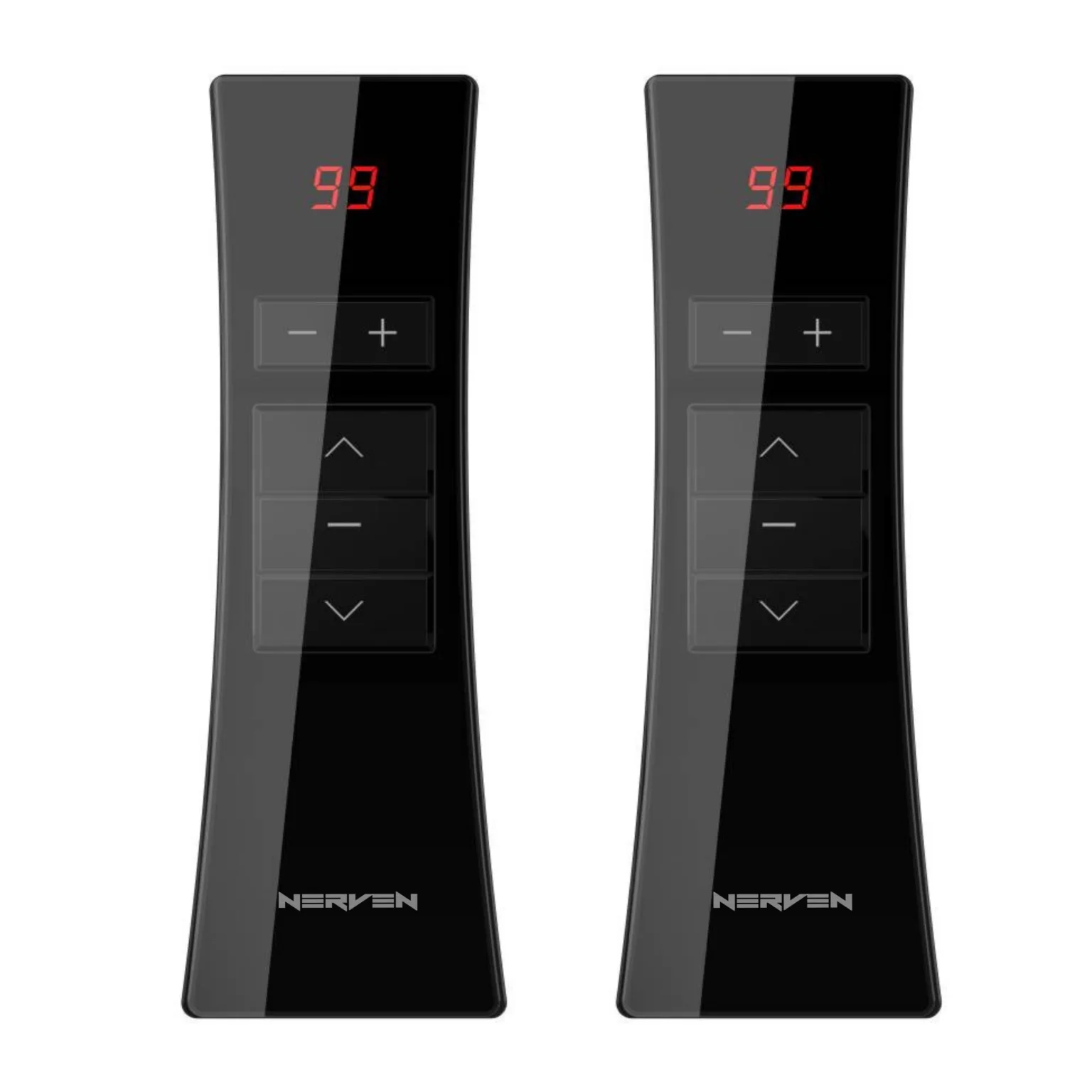
- Controller: gives the user local or grouped control.
- Gateway or interface: connects the movement system to a wider protocol or automation platform.
- Automation layer: coordinates schedules, sensors, scenarios and building logic.
RF: useful for direct and flexible control
Radio-frequency control can reduce cabling complexity in suitable applications and makes handheld or wall-mounted controls practical. The design still needs a clear channel and grouping plan so users know what each control operates.
RS485, KNX and BMS: when the project needs integration
Wired communication becomes important when the project needs deterministic addressing, centralized control or integration with wider building systems. RS485 can provide a structured communication layer. KNX is commonly used as a building automation bus. BMS integration can bring shading and movement into broader building scenarios. The exact interface depends on the selected motor, receiver and gateway, so compatibility should be confirmed during specification.
Design the behaviour, not only the commands
Large projects benefit from thinking in scenarios: open all, close all, façade groups, room presets, scheduled operation or sensor-triggered actions. This is the point where control starts becoming intelligence.
What should be documented?
- Every motor and its location
- Zone and group naming
- Control channels and addresses
- Receiver and gateway type
- Protocol and integration points
- Local control and central control responsibilities
- Expected scenarios and automation behaviour
- Service access and commissioning notes
A scalable system is one that can be understood after installation. Clear architecture and documentation are as important as the number of channels available.